
What stabilizer should I use for a woven item?
Firmly woven fabric holds its shape, so tear-away is a common starting point. Consider permanent cut-away for unstable fabric or when the design file calls for it; New brothread lists denim and fabric that distorts when tugged among its Cut Away uses and says it helps preserve design shape after washing. Check the design file and stabilizer directions.
Thick seams, straps, or a lining can keep an item from sitting flat in the hoop. Check the manual's limits. For a short overview, see the woven row in the stabilizer-by-item guide.
Needle type and size come from your machine manual and the garment, not a universal fabric rule.
When should I use tear-away or cut-away on a canvas tote?
The listings describe tear-away as temporary and cut-away as permanent. Choose by the weave, design, and care instructions.
EmbroiderySetup is free and has no ads. If you buy through our Amazon links, you pay the same price and we earn a small cut, which helps keep the guides coming. As an Amazon Associate we earn from qualifying purchases.
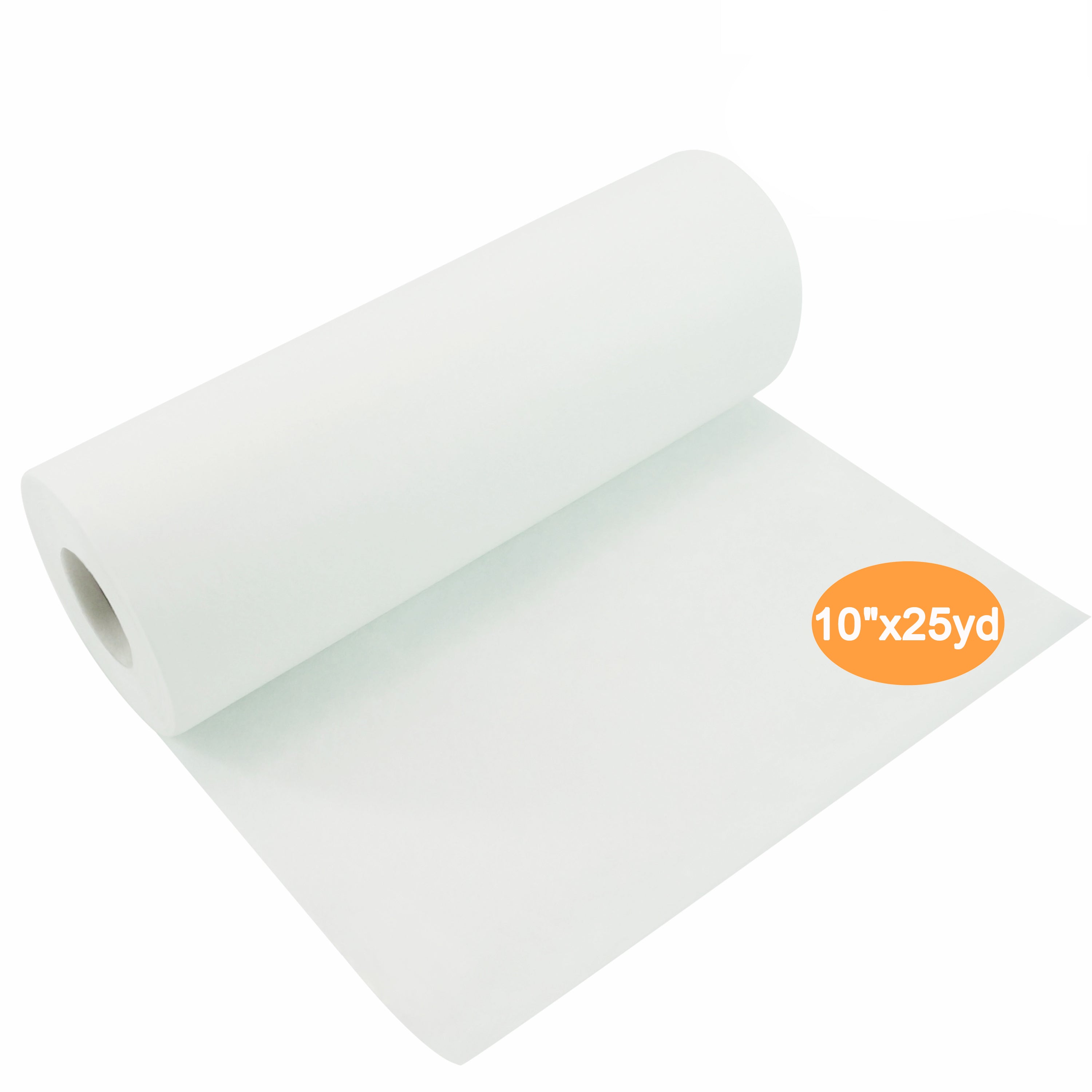
Temporary backing · precut sheets
New brothread Tear Away, 10 in × 12 in, 100 sheets
New brothread describes this as temporary support for firmly woven fabrics and natural fibers. It lists a medium weight of 1.8 oz for light-to-medium stitch density and says denser designs can use more than one layer.
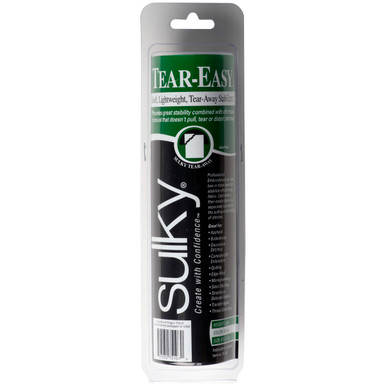
Temporary backing · roll
Sulky Tear-Easy (751-08), 8 in × 11 yd
For designs that call for temporary backing, Sulky describes Tear-Easy as soft, lightweight tear-away that tears away without distorting stitches. Its listing says professionals use one, two, or three layers, each torn away separately; follow its directions for your design.
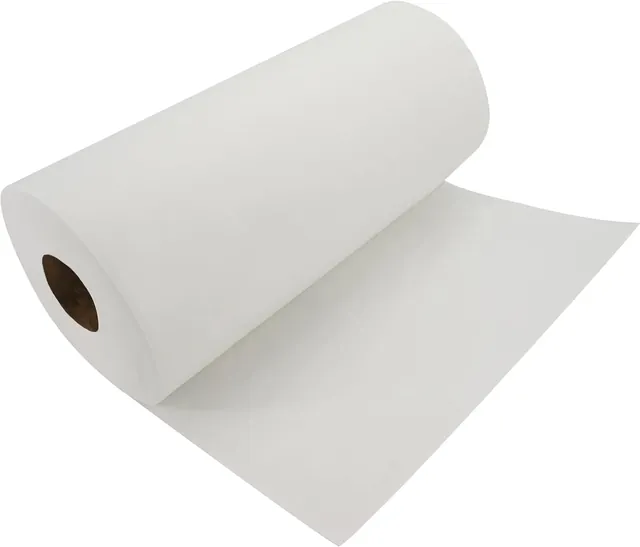
Permanent backing
New brothread Cut Away, 12 in × 50 yd
New brothread describes this permanent backing as medium weight at 2.5 oz. It lists denim and fabric that is unstable or distorts when tugged among its uses, and says it helps keep the design's shape after repeated washing.
How do I embroider an apron pocket?
Sulky lists pockets, cuffs, collars, and brushed denim among the uses for Sticky Plus. It describes the self-adhesive backing as a way to embroider small items without basting. Follow the product directions.
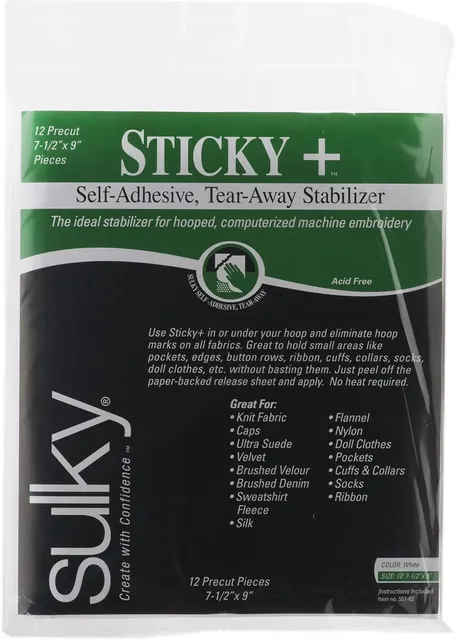
Self-adhesive backing
Sulky Sticky Plus (551-02), 7½ in × 9 in, 12 sheets
For small areas such as an apron pocket, Sulky describes Sticky Plus as self-adhesive backing. Use the maker's directions to apply the sheet and remove it after stitching.
How do I embroider near thick tote seams?
Keep straps, seams, and bulky lining clear of the hoop path; check your manual's limits and confirm the item clears the hoop and machine as it moves. The floating guide explains holding an item on hooped stabilizer. Use the Brother model lookup for documented limits and the design-fit calculator to compare the file with the supported field.
Follow Odif's product directions when using 505 as a temporary hold.
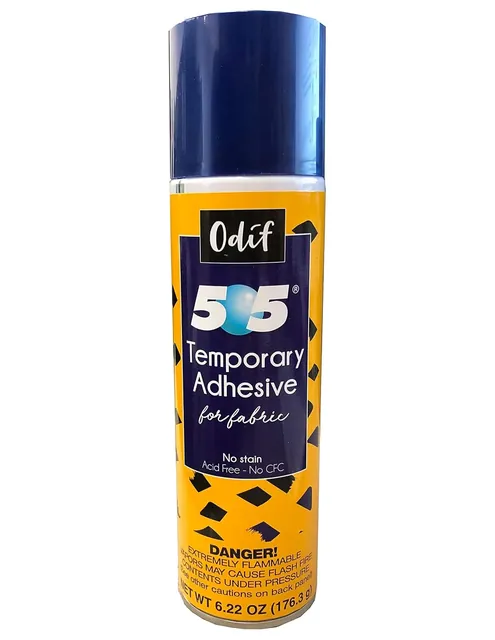
Temporary hold
Odif 505 Spray & Fix
Odif describes 505 as a temporary, repositionable adhesive for holding fabric to stabilizer. Its listing says it does not gum needles.
How do I trim backing from a canvas project?
Trim only when the backing directions call for it, and keep the scissors clear of the stitches. The Gingher listing identifies these as 6-inch double-curved embroidery scissors.
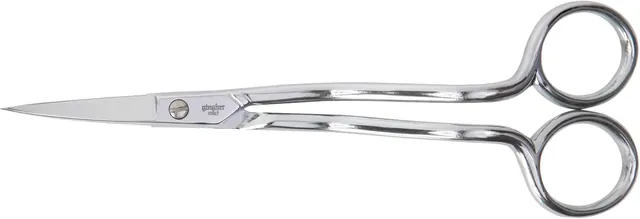
Trimming tool
Gingher 6-inch double-curved embroidery scissors
For trimming embroidery, Gingher identifies these as double-curved embroidery scissors.
Canvas tote and apron embroidery questions
What stabilizer should I use on a canvas tote?
New brothread’s listing describes its tear-away as temporary support for firmly woven fabrics and natural fibers. Check the current product directions against the fabric and design file, then use your machine manual for hooping and placement limits before choosing a backing layer.
When should I use cut-away backing instead of tear-away on canvas?
The maker’s listings describe cut-away as permanent and tear-away as temporary. New brothread lists denim and fabric that distorts when tugged among its cut-away uses. Compare those stated uses with the canvas, design file, and machine manual before choosing support that stays or comes away.
How do I embroider an apron pocket?
Sulky describes Sticky Plus as a self-adhesive tear-away for small areas such as pockets. Follow its directions for holding the pocket on stabilizer, and check the apron fabric and design file before stitching. Your machine manual governs the hooping method and placement for the item.
How do I embroider near thick tote seams?
Check your machine manual for the item’s supported material, hoop path, and clearance before stitching near thick seams. The design-fit calculator can compare the file with the machine’s usable field, but it does not decide whether the bag fits the setup. Follow the design file and product directions.
Can my machine embroider a thick bag or apron?
Your machine manual lists the supported material, hoop path, and clearance for its documented setup. Compare the bag or apron with those instructions before stitching; the model lookup can help find model-specific guidance. Follow the design file and stabilizer maker’s product directions for the chosen layers.