
What stabilizer should I use for a baby onesie?
Permanent backing remains with the stitching. Use the design file, product directions, and machine manual to choose its weight and layer count.
Mesh and lightweight non-woven backing are two options described for knits. The garment label and each product listing help narrow the choice. A separate cover can go over finished stitches when they will touch skin.
What backing and cover options are listed for infant garments?
The listings cover two backings and a cover for finished stitches. Check each maker's stated uses against the garment and design.
EmbroiderySetup is free and has no ads. If you buy through our Amazon links, you pay the same price and we earn a small cut, which helps keep the guides coming. As an Amazon Associate we earn from qualifying purchases.
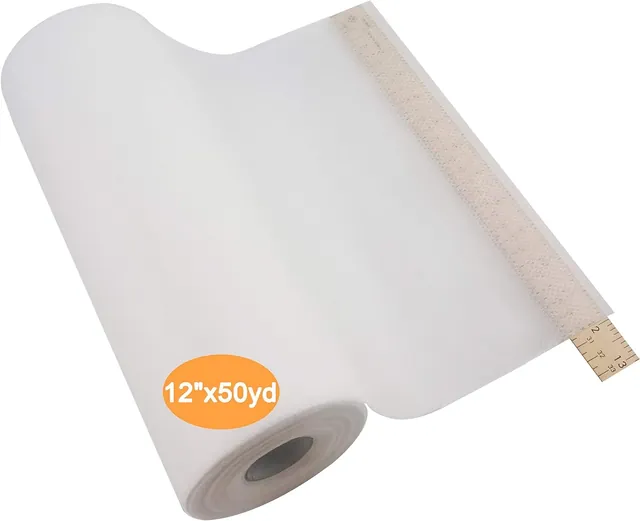
Soft permanent mesh
New brothread No Show Mesh, 1.8 oz, 12 in × 50 yd
New brothread describes No Show Mesh as a soft, semitransparent permanent cut-away. Its listing names infant items among its uses and says heavier designs may need an extra tear-away layer.
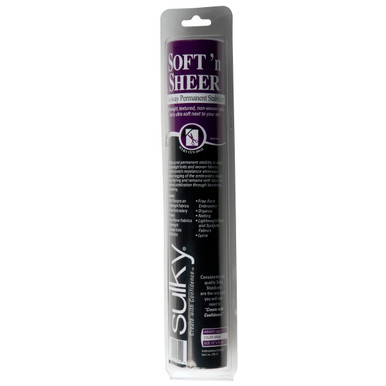
Soft permanent knit backing
Sulky Soft 'n Sheer Cut-Away, 12 in × 11 yd
Sulky describes Soft 'n Sheer as lightweight non-woven nylon, soft next to skin, with permanent support for lightweight knits.
Skin-side cover
Sulky Cut Away Tender Touch Iron-On Backing (664-08), 8 in × 9 yd
Sulky describes Tender Touch as a lightweight permanent cover for finished embroidery and lists baby and child garments among its uses.
For other backing roles, see the stabilizer chart. The chart's wash-away section covers water-soluble materials used for their listed roles.
When should I cover the back of embroidery?
The cover sits over finished embroidery. Backing stays beneath the garment during stitching. Sulky describes Tender Touch as a lightweight permanent stabilizer that covers the back of embroidery to protect sensitive skin from scratchy stitches.
Check the garment label and product listing before choosing a cover, then follow the listing directions for the material.
How do I hold a onesie without stretching it?
If the garment is difficult to hoop, the floating guide explains how an item can be held on separately hooped backing. Use the hoop and field your manual lists, and follow its instructions for keeping the fabric in place without stretching it.
The Brother model lookup links to the PE800 and SE700 setup pages. Compare a design with the usable field using the design-fit calculator. Needle type and size come from your machine manual and the garment, not a universal fabric rule.
Follow the product directions and check the garment label before using a temporary adhesive.
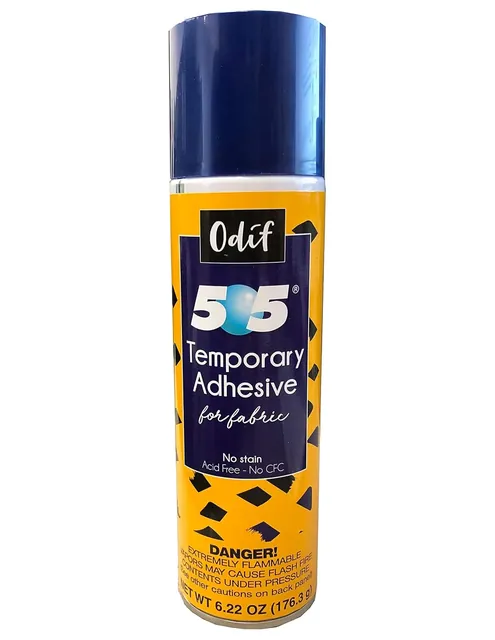
Temporary hold
Odif 505 Spray & Fix temporary fabric adhesive
For temporarily holding fabric during setup, Odif describes this as a colorless fabric adhesive. Choose backing separately for the garment and design.
How do I trim backing behind embroidery?
After stitching, trim excess permanent backing close to the design as its directions allow. Check the edge for loose backing.
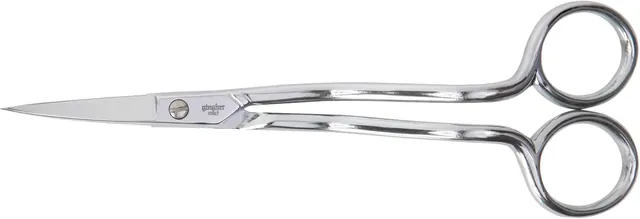
Trimming
Gingher 6-inch double-curved embroidery scissors
For trimming embroidery, Gingher identifies these as double-curved embroidery scissors. Follow the backing directions and avoid cutting the garment.
Baby onesie stabilizer questions
What stabilizer should I use to embroider a baby onesie?
The maker’s listings describe permanent cut-away mesh and lightweight non-woven backing for knits, so either can be a starting point for a stretchy onesie. Choose weight and layers from the listing, design file, garment label, and machine manual; check care directions before adding a cover.
Is no-show mesh intended for infant garments?
New brothread’s listing names infant items among the uses for No Show Mesh and describes it as permanent cut-away backing. Check the current listing, design file, and garment label before choosing; the machine manual sets the limits for the garment and hooping method.
What does an embroidery cover do on the inside of a onesie?
Sulky describes Tender Touch as a lightweight permanent cover for the back of finished embroidery and lists baby and child garments among its uses. Follow the current product directions and garment care label to decide whether that cover fits the item and its care routine.
Can I use temporary spray adhesive on a baby onesie?
The Odif 505 listing describes a temporary, colorless adhesive; it is a holding aid, not embroidery backing. Check the garment label, follow the listing directions, and choose the backing separately for the fabric and design. Use the adhesive only as its current instructions describe.
How do I embroider a small baby onesie without stretching it?
Use a holding method documented by your machine manual and keep the garment flat without pulling it. The floating guide explains how hooped stabilizer can hold a small item; check your manual for the hoop and usable field before positioning the design.